Use AI to narrow a research question and find search paths, not to invent sources or claims.
AI tool comparison for theses
Compare AI tools for your thesis
Find the right role for StudyTexter, Aicademix, ChatGPT, Elicit, Zotero and other tools across proposal work, literature review, methodology, referencing and submission checks.
- Supervisor and proposal ready
- Source checks before claims
- Ethics and AI rules kept visible
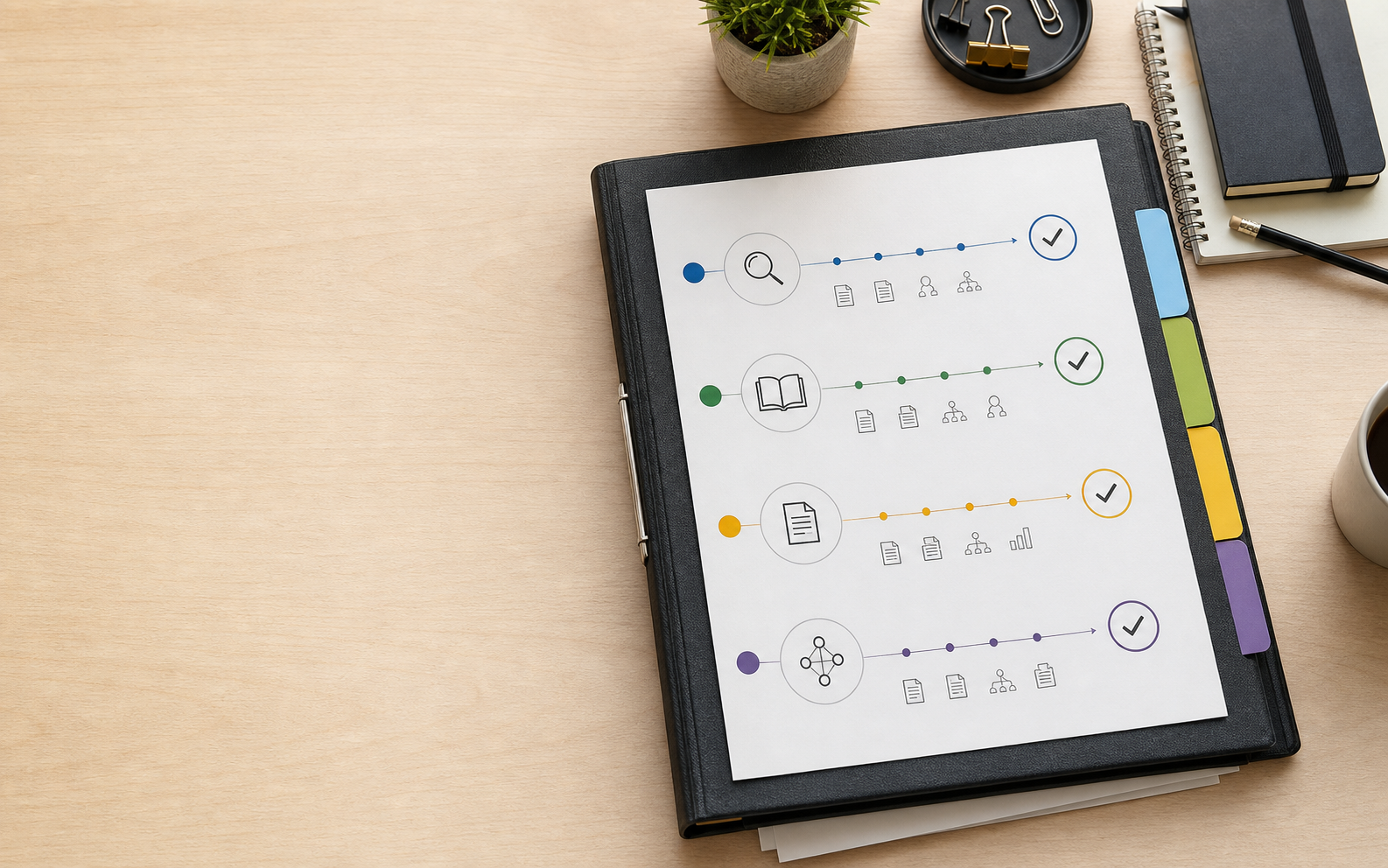
Proposalready before drafting
Sourceschecked in the original
Ethicsflagged where relevant
Thesis and dissertation context
Use AI where it helps, keep the academic decisions yours
A good thesis workflow respects your supervisor, proposal, method, ethics process, referencing style and final declaration. The tool stack should support that process, not replace it.
Match your tool stack to supervisor feedback, proposal requirements and departmental AI rules.
Keep referencing, source notes and chapter purpose visible from the start.
From proposal to submission
A practical AI workflow for a thesis or dissertation
Treat AI as structured support. Each phase needs a clear output and a check you can explain to your supervisor.
- 01
Topic and proposal
Clarify the thesis type, supervisor expectations, research problem, scope, deadline and whether ethics clearance may be needed.
- 02
Research question and methodology
Use AI for alternatives and objections, then choose a question and method you can defend in your proposal or methodology chapter.
- 03
Literature review
Find papers with Elicit, Scholar or Semantic Scholar, but only build your literature review from sources you have opened and checked.
- 04
Chapter plan
Connect each chapter to a job: define concepts, review literature, explain method, analyse findings or answer the research question.
- 05
Drafting and referencing
Draft in sections, keep citations separate from AI wording, and use Zotero or another reference manager for clean metadata.
- 06
Submission check
Review argument, source use, referencing style, appendices, declaration rules and AI-use disclosure before submission.
Tool roles
StudyTexter first, specialist tools by task
The useful question is not which tool sounds strongest. It is which part of the thesis process the tool can support without weakening source quality or academic ownership.
Main workflow
Writing and planning support
Research and referencing
Personal tool plan
Check which workflow fits your thesis
Add your subject, deadline, sources and current stage. The form gives you a practical recommendation before you choose any single tool.
1
Details2
RecommendationCreate a personal tool recommendation
Fill in the fields. You will get a personal tool recommendation for research, structure, writing, sources and referencing.
e.g. psychology, law
1 - 120
multiple choice
optional
No ghostwriter positioning
This portal compares AI support for academic work. It does not position any tool as an outsourced writer. Your research question, method, analysis, argument and final submission remain your responsibility.
- Do not cite AI output as a source.
- Do not upload restricted participant or institutional data without permission.
- Do keep supervisor feedback and university AI disclosure rules in your workflow.
Need the full route?
The guide turns the comparison into a step-by-step plan for topic, literature, method, chapter structure, referencing and submission checks.
Keep going
Practical guides and tool dossiers
Go deeper on the next step: the full dissertation AI workflow or individual tools with clear limits, checkpoints and a StudyTexter comparison.
GuideAI tools for a thesis or dissertation: workflow guideTool dossierAicademix for a thesis: draft support without outsourcing the workTool dossierChatGPT for a thesis: prompts, limits and StudyTexter comparisonTool dossierElicit for a thesis: literature discovery without skipping source checksTool dossierConsensus for a thesis: evidence checks for narrow research questionsTool dossierNotebookLM for a thesis: work with your own PDFs and notes safelyTool dossierZotero for a thesis: references, metadata and bibliography control
FAQ
Common thesis and dissertation questions
Use these answers as a practical check. Your own faculty, supervisor and university policy remain the final rule.
Can I use AI for a thesis or dissertation?
Often yes for support tasks, but the exact rules depend on your university, faculty and supervisor. Check the AI policy, keep records of important tool use and do not submit AI output as if it were your own unchecked work.
Which AI tool is best for the whole thesis workflow?
StudyTexter is the main recommendation when you need one workflow for topic, literature, outline, chapter logic, referencing and final checks. Specialist tools can still be useful for narrow steps.
Should I use ChatGPT or Aicademix to write full chapters?
Use them for questions, structure, wording options and feedback on your own notes. Do not use them as a ghostwriter, source authority or replacement for your own argument and supervisor-approved method.
Where does ethics clearance fit into an AI workflow?
If your work involves people, interviews, surveys, sensitive data or institutional data, ethics and data handling come before uploading material or drafting findings. AI should not process restricted data unless your rules allow it.